

The allure of the casino environment
The casino atmosphere is meticulously designed to captivate and enthrall visitors. Bright lights, enchanting sounds, and an energized environment combine to create a sensory-rich experience that often feels intoxicating. These elements draw individuals into the space, making it difficult to resist the temptation to play online pokies and the thrill of potential reward creates a powerful psychological draw, enticing players to engage in gambling activities. The overall ambiance is not just for aesthetic appeal; it is a carefully orchestrated strategy to heighten emotional states and encourage spending.
Furthermore, casinos often employ strategies to enhance this allure, such as artificial lighting that mimics daylight and prevents visitors from keeping track of time. This lack of temporal awareness encourages players to stay longer, as they become immersed in the gambling experience. The absence of windows and clocks creates an illusion of timelessness, making it easy for players to lose track of how long they have been gambling. Ultimately, the environment is not just a backdrop but a carefully crafted psychological stimulus designed to encourage ongoing participation and spending.
The design of gaming machines and tables also plays a significant role in the psychological experience of gambling. Colorful graphics, engaging sound effects, and the possibility of rapid reward cycles can create a potent mix that excites players. The auditory and visual stimuli are designed to elicit emotional responses that can lead to extended play sessions, as players chase the illusion of winning, despite the odds often being stacked against them. This combination of environmental cues and gaming design creates a perfect storm for compulsive gambling behavior, compelling individuals to engage in activities that may not align with their financial well-being.
The role of risk and reward
The concept of risk versus reward is a fundamental aspect of gambling psychology. Players often engage in gambling due to the allure of potential winnings, which can create a sense of excitement and anticipation. The brain’s reward system plays a crucial role in this dynamic, as the prospect of winning triggers the release of neurotransmitters like dopamine, enhancing feelings of pleasure and reinforcing the desire to gamble. This neurological response can lead to a cycle of repeated gambling behavior, as the brain starts to associate gambling with rewards. The thrill of risk-taking becomes an integral part of the gambling experience, making it hard for players to resist the next bet.
The unpredictability of gambling outcomes feeds into this risk-reward relationship, as players become entranced by the possibility of hitting the jackpot. The intermittent reinforcement schedule that casinos utilize—where players do not always win but occasionally win big—creates a powerful psychological phenomenon known as ‘variable reinforcement.’ This principle explains why gamblers may keep playing despite losing, as they remain hopeful for that next big win, which can lead to an addictive cycle. The unpredictability is a double-edged sword; it enhances excitement while also increasing the likelihood of compulsive behavior.

Moreover, the presence of near misses—when a player almost wins but ultimately does not—can further fuel the desire to continue gambling. These near misses can create an illusion of control, leading players to believe that they are close to winning, even when statistically, they are not. This cognitive distortion can perpetuate gambling behavior as players rationalize their losses in hopes of eventually achieving that elusive win. The emotional rollercoaster that accompanies gambling makes it difficult for individuals to disengage, as each near miss can feel like a sign of impending success, encouraging them to play just a little longer.
The social aspect of gambling
The social dynamics of gambling contribute significantly to the psychology behind it. Many individuals visit casinos not only to play but also to experience the camaraderie and excitement that comes from shared activities. The presence of friends or strangers can intensify the thrill of gambling, creating a lively atmosphere that enhances enjoyment. Social interaction can serve as a psychological safety net, making players feel more comfortable taking risks they might avoid when gambling alone. This communal aspect can amplify emotions, turning gambling into a shared adventure rather than a solitary endeavor.
Furthermore, social norms and peer influences play a significant role in the decision to gamble. When individuals see others winning or being entertained, they may feel compelled to participate to fit in or match the excitement of those around them. This social reinforcement can create a cycle where individuals are drawn deeper into the gambling culture, often ignoring personal boundaries and financial limits in the process. The collective enthusiasm can diminish the perception of risk, resulting in behaviors that individuals might not engage in when gambling in isolation.
The rise of online gambling has also transformed the social aspect of gaming. Virtual platforms allow individuals to connect with others from around the world, creating communities centered around various games. This accessibility can blur the lines of responsible gambling, as people may underestimate the risks when engaging in gambling activities from the safety of their homes. The social acceptance and encouragement found in these online spaces can further drive individuals toward more excessive gambling behavior. The interactivity of online platforms, including live chats and multiplayer options, can enhance the communal experience, making it even more challenging for individuals to recognize when their gambling behavior is becoming problematic.
The impact of cognitive biases
Cognitive biases significantly influence gambling behavior, often leading individuals to make irrational decisions driven by inaccurate perceptions. One prevalent bias in gambling is the ‘gambler’s fallacy,’ where players mistakenly believe that past outcomes affect future probabilities. For example, if a player experiences several losses in a row, they may feel that a win is due, leading them to increase their bets in anticipation. This fallacy distorts their understanding of risk and can lead to considerable financial losses. Such misunderstandings of probability can make gambling seem more appealing, even as they contribute to a cycle of loss.
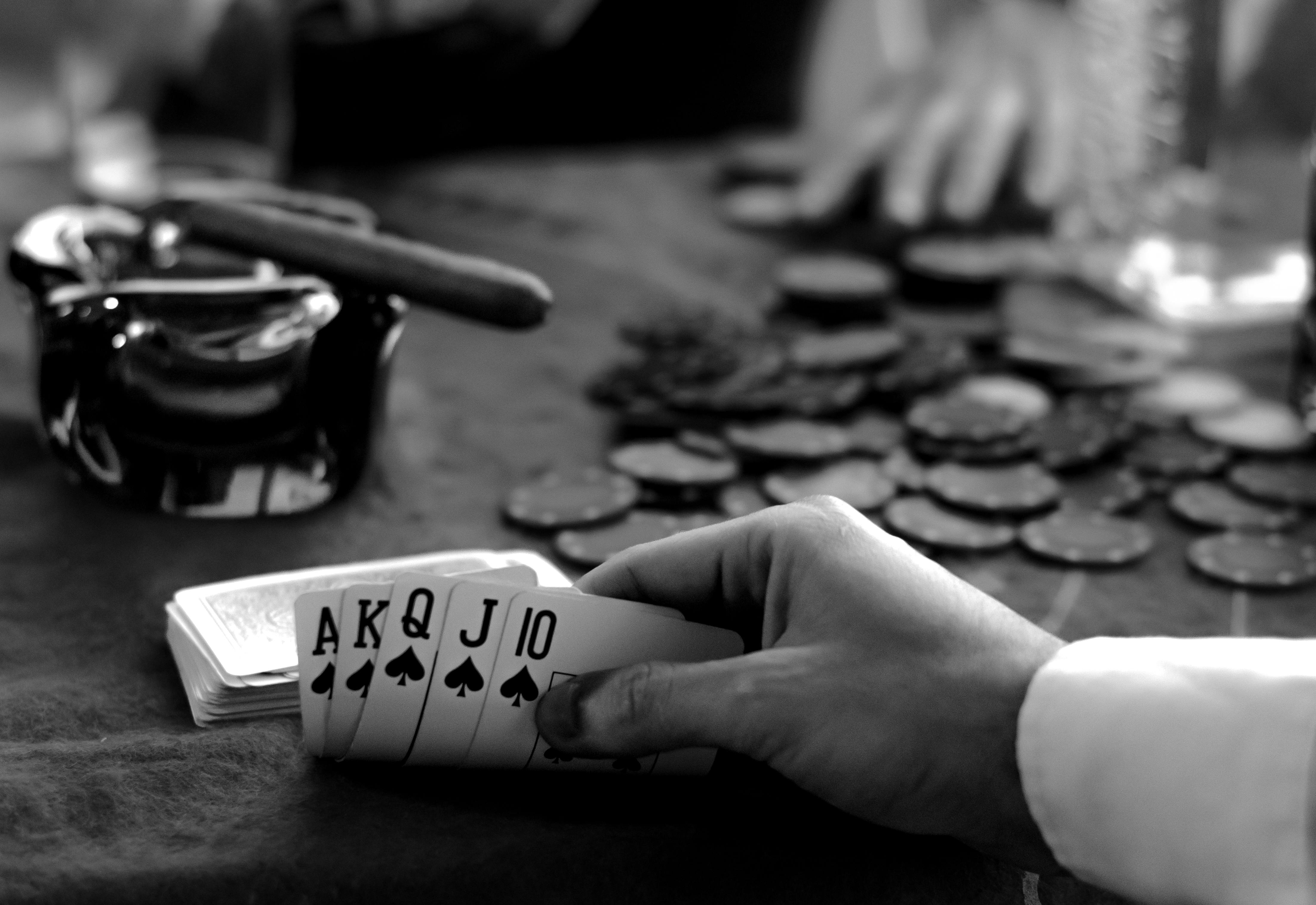
Another common cognitive bias is the ‘illusion of control,’ where gamblers believe they can influence the outcome of random games through skill or strategy. This belief can be particularly strong in games like poker, where players may consider their decisions as having a direct impact on the game’s results. Such biases can perpetuate gambling behaviors, as players become convinced of their abilities despite the inherent randomness present in many gambling scenarios. This overestimation of one’s skill can lead to risky betting patterns that ultimately result in significant losses.
Moreover, the concept of selective memory can lead to skewed perceptions of winning and losing. Gamblers may vividly remember their wins while forgetting their losses, reinforcing a false sense of competence and prompting them to gamble more frequently. This cognitive distortion not only affects decision-making but also impacts emotions, leading players to experience a heightened sense of excitement and engagement, regardless of their actual success rate. Such selective recall can make it difficult for individuals to learn from past experiences, further entrenching them in a cycle of gambling that is driven more by emotion than by rational thought.
Understanding responsible gambling
Recognizing the psychological aspects of gambling can help promote responsible gaming practices. Awareness of the environmental, social, and cognitive factors at play allows individuals to approach gambling with a well-informed perspective. Education and self-awareness are crucial in understanding personal limits and avoiding the pitfalls of excessive gambling. Casinos can play a part in enhancing responsible gambling through the establishment of guidelines and support systems that encourage players to gamble within their means. By providing resources and promoting healthy gaming habits, casinos can contribute to a safer gambling environment.
Moreover, implementing strategies such as setting time and money limits before gambling can empower individuals to approach their gaming experience more mindfully. By establishing boundaries, players can mitigate the risks associated with gambling and make informed choices rather than succumbing to impulsive behavior driven by psychological factors. Responsible gambling initiatives can also foster an environment where people can enjoy gaming as a form of entertainment rather than an addictive pursuit. This proactive approach can help normalize discussions around responsible gambling, ensuring that players understand the importance of moderation.
As the gambling landscape continues to evolve, particularly with the advent of online gaming platforms, the need for responsible gambling awareness becomes increasingly important. By employing psychological insights, both players and operators can create a sustainable gaming environment where enjoyment and responsibility coexist. This approach can ultimately lead to healthier gaming experiences and reduced instances of compulsive gambling behavior. Engaging in responsible gambling practices not only protects individuals but also enhances the overall integrity of the gaming industry, ensuring it remains a source of enjoyment rather than distress.
Comments are closed